How food and beverage vending machines support workplace hydration and air quality
How food and beverage vending machines support workplace hydration and air quality
In a busy workplace, water can be surprisingly easy to forget. A morning meeting becomes three, emails gather like clouds, and suddenly the only liquid nearby is a cup of coffee that has gone cold. Yet hydration is not a luxury reserved for quiet afternoons. It supports concentration, energy, comfort and general wellbeing throughout the working day.
Food and beverage vending machines can play a useful role here. When thoughtfully stocked and sensibly positioned, they make drinking water more visible and accessible while also supporting healthier workplace habits. Their contribution can even extend to indoor air quality—not by purifying the air on their own, but by encouraging better choices about equipment, cleaning, ventilation and the way shared spaces are used.
So, how can a humble vending machine become part of a healthier workplace? The answer lies in the details: what it offers, where it stands, how it is maintained and the habits it quietly encourages.
Making hydration part of the working day
People are more likely to drink water when it is within easy reach. This sounds simple, almost too simple, but convenience has a powerful influence on everyday behaviour. If the nearest water source is several floors away, or if the kitchen tap is hidden behind a queue of colleagues, employees may keep working rather than pause for a drink.
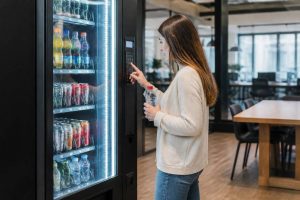
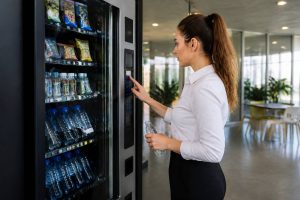
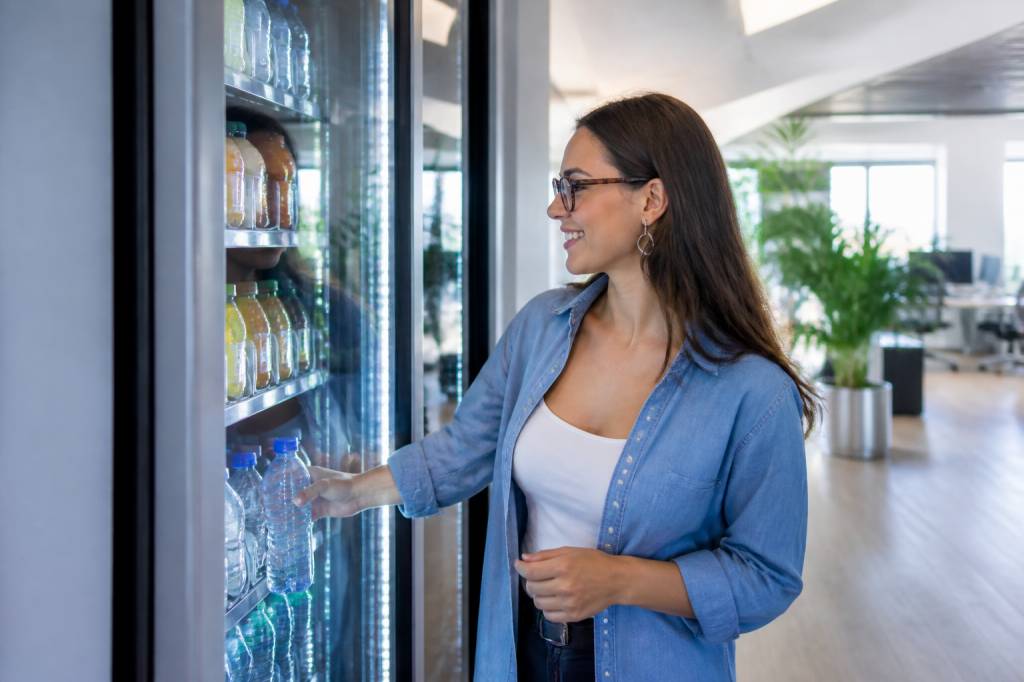
A vending machine placed in a communal area creates a clear and reliable point of access. Bottled water, cans of sparkling water and unsweetened drinks can be available during early starts, late shifts and weekends when other facilities may be closed. For workplaces with visitors, contractors or limited kitchen space, this dependable access can be particularly valuable.
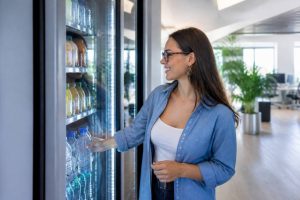
There is also a gentle psychological benefit. When water is displayed at eye level alongside other drinks, it becomes part of the normal rhythm of the workplace. A person stopping for a snack may reach for water almost without thinking. Small decisions, repeated many times, can shape a healthier environment.
Why hydration matters at work
The body depends on water for many essential functions, including temperature regulation, circulation and digestion. Even mild dehydration may leave someone feeling tired, headachy or less mentally sharp. In a warm office, a physically active workplace or a building with dry indoor air, fluid needs can feel even more noticeable.
Hydration is not a magic solution for every afternoon slump, of course. Poor sleep, stress and an unbalanced diet cannot be fixed by drinking another glass of water. However, regular access to suitable drinks removes one avoidable obstacle to feeling well.
For employers, encouraging hydration can be a practical part of a wider wellbeing programme. It does not need to involve complicated rules or dramatic campaigns. A well-stocked machine, clear signage and a nearby water refill point may achieve more than a poster that disappears into the background after a week.
Stocking the machine with wellbeing in mind
The contents of a vending machine send a quiet message about what is valued. If sugary drinks dominate the display, they will naturally attract attention. If chilled water and lower-sugar options are easy to see and reasonably priced, healthier choices become more convenient.
A balanced selection might include:
- Still and sparkling water in different sizes.
- Unsweetened flavoured water for people who prefer a little taste.
- Low-sugar or sugar-free drinks, clearly labelled.
- Small portions of fruit, nuts or other nourishing snacks where suitable.
- Drinks appropriate for different dietary, cultural and medical needs.
- Reusable cups or bottles, if the workplace provides refill facilities.
Choice matters. Not everyone enjoys plain water, and expecting a single drink to suit every person is unlikely to work. Unsweetened tea, low-sugar beverages and electrolyte drinks may have a place, particularly in active or warm working environments. The important point is to offer clear information so people can decide what suits them.
Pricing can also influence behaviour. If water is cheaper than a high-sugar soft drink, the healthier option becomes more attractive. Some organisations choose to provide free water and use the vending machine for additional beverages. This approach combines convenience with a strong and uncomplicated wellbeing message.
Water, waste and the environmental picture
Hydration should support both people and the wider environment. Single-use plastic bottles can be useful in certain settings, but relying on them for every drink creates unnecessary waste. Where possible, workplaces can provide filtered or mains-fed refill stations alongside the vending machine.
Reusable bottles can then be filled throughout the day, while the machine remains available for visitors, emergencies and drinks that are not offered at the refill point. A clear recycling station placed beside the machine helps bottles and cans find their proper destination rather than drifting into general waste.
Machine operators can also consider packaging made from recycled materials, efficient delivery schedules and stock rotation that reduces food waste. These measures may seem modest, but environmental responsibility is rarely built from one grand gesture. It grows through many practical choices made consistently.
There is a quiet connection between the health of a workplace and the health of the world outside it. The water we drink, the air we breathe and the materials we use are part of the same living system. A vending area can reflect that connection rather than ignore it.
How vending machines relate to indoor air quality
A vending machine does not clean an office or remove pollutants from the air. That work belongs to good ventilation, suitable filtration, humidity control and effective building maintenance. Still, vending facilities can influence air quality indirectly in several useful ways.
First, modern machines can be selected for energy efficiency. Efficient refrigeration produces less waste heat, which can reduce the burden on a building’s cooling system. In a small break room, several warm appliances working together may make the space uncomfortable and encourage poor ventilation practices, such as opening doors or windows without considering outdoor pollution.
Second, a well-maintained machine is less likely to create unpleasant odours. Spilled drinks, crumbs and expired food can encourage microbial growth and attract pests. Regular cleaning protects the immediate environment and helps keep the surrounding air fresh.
Third, choosing equipment with low-emission materials and proper certification can reduce concern about volatile organic compounds, sometimes called VOCs. New furniture, plastics and electrical equipment may release small amounts of these compounds into indoor air. Selecting reputable machines designed for commercial indoor use, and allowing appropriate ventilation during installation, is a sensible precaution.
Finally, vending areas can encourage people to take breaks away from desks. A short walk to collect water may provide a moment of movement and a change of air. If the machine is positioned near a properly ventilated communal space, it can help prevent employees from eating and drinking beside printers, cleaning products or other possible sources of indoor pollutants.
Placement makes a difference
The best vending machine is not necessarily the largest or most advanced model. It is the one that fits naturally into the workplace without obstructing movement or compromising comfort.
Good placement usually means choosing an area that is:
- Easy to find without blocking corridors, doorways or emergency routes.
- Close to a reliable water refill point where possible.
- Well ventilated and away from direct heat or strong sunlight.
- Large enough for people to queue without crowding others.
- Near suitable recycling and waste facilities.
- Accessible to employees and visitors with different mobility needs.
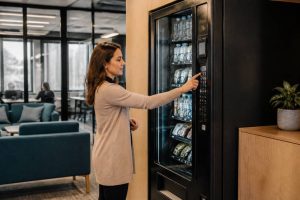
A machine placed beside a noisy printer or in a cramped corner may discourage people from lingering, while one positioned in a bright, comfortable break area can support more restorative pauses. Natural light, a little greenery and fresh air can transform a functional space into somewhere people are happy to visit.
There is no need to create a miniature spa beside the drinks cabinet. A calm layout, clean surfaces and enough room to breathe will often do more than expensive decoration.
Maintenance is part of wellbeing
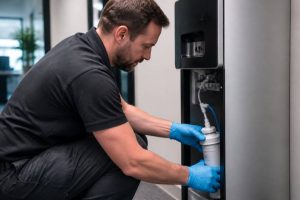
Clean water and clean air depend on maintenance. Vending machines should be inspected regularly, with spills removed promptly and internal components serviced according to the manufacturer’s instructions. Filters, seals, cooling systems and drainage areas all deserve attention.
Food products should be checked for freshness, while temperature-sensitive items must be stored safely. Clear date rotation helps prevent waste and protects customers. A machine that is out of order for long periods can also undermine trust, particularly if it is the only convenient source of drinks during a shift.
Cleaning products should be used carefully. Strong fragrances may be unpleasant or irritating for some people, especially those with asthma, allergies or sensitivities. Mild, appropriate products and good ventilation are preferable to covering every smell with a cloud of artificial perfume.
Maintenance records can make responsibilities clear. Operators, facilities teams and workplace managers should know who checks the machine, who responds to faults and how concerns can be reported. A small notice with a service contact number can save considerable frustration.
Supporting healthier breaks, not just quick purchases
Hydration works best when it is connected to regular breaks. A vending machine can become a prompt to stand, stretch and step away from the screen. This matters in offices where long periods of sitting and intense concentration are common.
Imagine an employee who has spent two hours reviewing spreadsheets. They walk to the communal area for a bottle of water, notice the daylight through a nearby window and take a few slow breaths before returning to work. The drink helps, but so does the pause. Sometimes the body needs a change of scene as much as it needs a few sips.
Employers can support this habit by avoiding messages that glorify constant availability. Signs such as “Take a water break” or “Refill, refresh and return” are simple reminders that pausing is part of working well, not a sign of laziness.
For active workplaces, hydration stations may be particularly important. Warehouses, workshops, kitchens and outdoor teams can lose more fluid through heat and physical effort. In these settings, vending machines should complement, not replace, freely available drinking water and clear guidance about staying hydrated safely.
Creating a thoughtful workplace plan
Before installing or refreshing a vending machine, it helps to ask a few practical questions:
- Do employees have easy access to drinking water during every shift?
- Are healthier and lower-sugar choices visible and affordable?
- Can the machine be placed without reducing ventilation or obstructing walkways?
- What recycling and refill options are available?
- How often will cleaning, servicing and stock checks take place?
- Have employees been asked what they actually want to drink?
A short survey can reveal useful details. Perhaps night-shift workers need access outside normal kitchen hours. Perhaps employees would prefer sparkling water, larger reusable bottles or more caffeine-free options. Listening before purchasing helps create a facility that people use rather than merely admire.
It is also worth monitoring the results. Are water sales increasing? Is less packaging going into general waste? Are complaints about empty stock or unpleasant odours being resolved quickly? Simple observations can guide small improvements over time.
A refreshing addition to the workplace
Food and beverage vending machines are not a substitute for proper ventilation, safe drinking water systems or a thoughtful wellbeing policy. They are one practical part of a larger picture. When carefully managed, they make hydration easier, support better choices and encourage people to step away from their desks.
Their relationship with indoor air quality is equally practical. Efficient equipment, sensible placement, regular cleaning and good ventilation help create a more comfortable shared space. These measures may not announce themselves loudly, but their benefits can be felt in the absence of stale air, clutter and unnecessary waste.
A healthier workplace often begins with ordinary things: a clean glass, a cool drink, a breath of fresh air and a moment to pause. When these small needs are respected, the working day can feel a little more balanced—like finding a clear stream during a long walk, just when you need it most.