
Calories in a vending machine hot chocolate: what you need to know
Calories in a vending machine hot chocolate: what you need to know
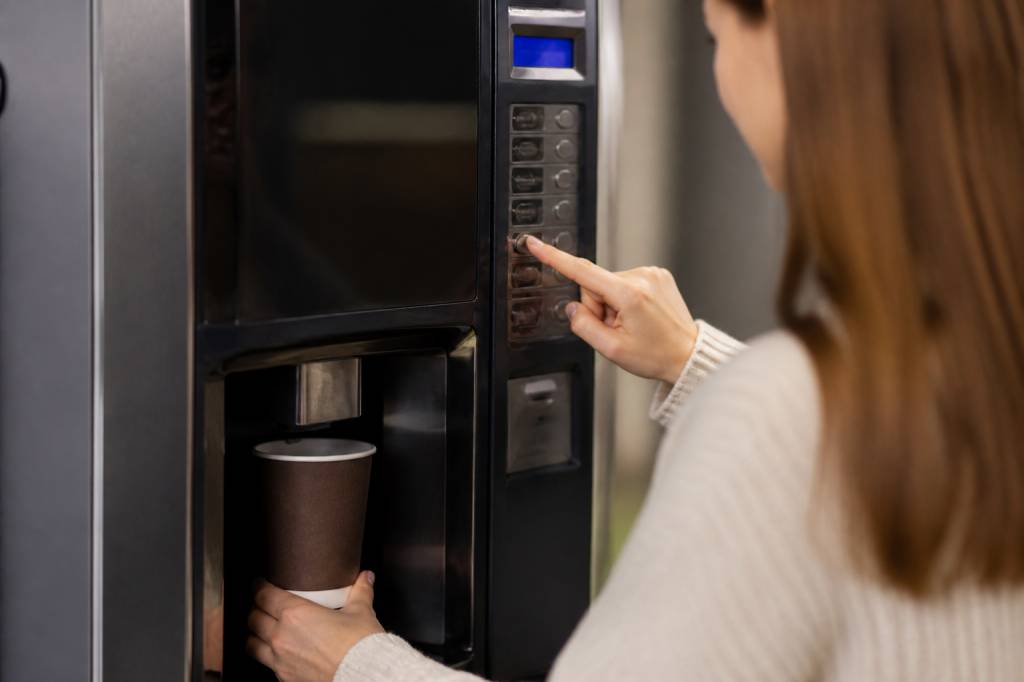
There is something quietly comforting about a hot chocolate from a vending machine. You press a button, hear the soft whirr of the machine, and within moments a warm, sweet drink is waiting in your hands. It can feel like a small pause beside a busy day—especially when the weather outside is grey and the wind is moving through the streets.
But how many calories are actually in that paper cup? The answer is not always as simple as the picture on the machine suggests. A vending machine hot chocolate can be a light, modest drink, or it can approach the energy content of a small dessert, depending on its ingredients, serving size, and toppings.
Understanding what is in your cup does not mean taking the pleasure out of it. It simply gives you a clearer view, helping you make choices that suit your appetite, your routine, and your wider approach to health.
How many calories are in a vending machine hot chocolate?
A standard vending machine hot chocolate in the UK commonly contains around 80 to 180 calories. Some smaller, lighter versions may contain fewer than 80 calories, while larger drinks made with milk powder, sugar, chocolate syrup, or toppings can reach 200 calories or more.
The exact figure depends on several details:
- The size of the cup
- Whether the drink is made with water, milk powder, or fresh milk
- The amount of cocoa or chocolate powder used
- Added sugar or sweeteners
- Whipped cream, marshmallows, or chocolate sprinkles
- The recipe programmed into the vending machine
A small machine serving may contain approximately 70 to 110 calories. A regular cup often falls between 100 and 160 calories. A large, creamy drink with toppings may contain 200 to 300 calories, particularly if it is closer to a café-style hot chocolate than a simple powdered beverage.
These are useful estimates rather than universal rules. Two machines standing in the same building may serve noticeably different drinks. One may dispense a thin cocoa beverage made mainly with water, while another produces a richer drink with milk-based ingredients and extra sugar.
Why the calorie count can vary so much
Hot chocolate begins with a few simple ingredients, but small changes can alter the final energy content. Cocoa powder itself is not necessarily the main concern. Unsweetened cocoa contains flavour and natural compounds, but relatively few calories in the small quantity used for one drink.
The larger contribution often comes from sugar, milk powder, and creamy additions. A vending machine may use a premixed powder containing sugar, dried milk, cocoa, vegetable oils, and stabilisers. This allows the drink to be made quickly and consistently, but it also means the recipe may be sweeter and richer than a homemade cocoa made with unsweetened powder.
Think of the cup as a little landscape. Cocoa provides the earthy depth, milk gives it softness, and sugar brings sweetness like sunlight across the surface. Add cream and toppings, and the landscape becomes more indulgent. There is nothing wrong with that from time to time, but the additions are worth noticing.
Calories by serving size
Serving size is one of the simplest ways to estimate what you are drinking. Unfortunately, vending machines do not always make the volume obvious. A button labelled “hot chocolate” may produce a small 150 ml cup, while another machine offers a 250 ml or 300 ml serving.
Here is a general guide:
- Small cup, around 150 ml: approximately 70–110 calories
- Regular cup, around 200 ml: approximately 100–160 calories
- Large cup, around 250–300 ml: approximately 140–220 calories
- Large cup with cream or marshmallows: approximately 200–300 calories or more
These ranges are broad because recipes vary. If nutritional information is displayed on the machine, use it as your most reliable guide. Some vending machines show calories on a screen, on a product label, or through a QR code. If the information is not available, the serving size and visible ingredients can still help you make a sensible estimate.
What is usually inside a vending machine hot chocolate?
Many vending machine drinks are made from an instant powder. The powder is mixed with hot water inside the machine, although some newer systems use fresh milk or liquid milk alternatives. A typical powdered hot chocolate may contain:
- Sugar
- Cocoa powder
- Milk powder or whey powder
- Vegetable fats or oils
- Thickeners and stabilisers
- Flavourings
- Salt in small amounts
The ingredient list can tell you more than the name of the drink. “Hot chocolate” might sound like a simple blend of cocoa and milk, but a vending recipe may be closer to a sweetened chocolate beverage. This is particularly important if you are monitoring sugar intake, managing diabetes, or avoiding dairy.
Allergens also deserve attention. Milk is common, and some powders may be manufactured in environments where soya, nuts, or gluten-containing ingredients are present. If you have an allergy or intolerance, ask the machine operator or check the product information rather than relying on the drink’s appearance.
Calories are not the whole story
Calories are useful, but they are only one part of a drink’s nutritional picture. A hot chocolate may contain between 10 and 25 grams of sugar, depending on the recipe and size. That is roughly two and a half to six teaspoons of sugar.
A drink with 120 calories may be perfectly reasonable as an occasional treat, yet it may not keep you satisfied for long if most of those calories come from sugar. In contrast, a drink made with more milk may contain additional protein and provide a little more staying power.
It is also worth remembering that liquid calories can be easy to overlook. You may count your breakfast and lunch carefully, then add a sweet drink almost automatically during the afternoon. One cup is not a problem in itself. The pattern matters more than the isolated moment.
Ask yourself a gentle question: is this hot chocolate replacing a snack, or am I enjoying it alongside one? If it replaces a biscuit or a small dessert, the overall difference may be very small. If it is added to an already full day of sweet snacks, the calories can quietly accumulate like pebbles in a pocket.
Vending machine hot chocolate compared with other drinks
Putting the drink beside familiar alternatives can make the numbers easier to understand.
- Black tea or black coffee: usually fewer than 5 calories without milk or sugar
- Tea with a little milk: often around 10–30 calories, depending on the amount of milk
- Latte: commonly around 100–200 calories, depending on size and milk type
- Regular vending machine hot chocolate: often around 100–160 calories
- Hot chocolate with cream and toppings: commonly 200–300 calories or more
This comparison does not make one drink “good” and another “bad”. A latte may contain more protein, while a plain tea may contain almost no energy. A hot chocolate may simply be the drink that makes a cold morning feel more manageable. Health is not built from one perfect choice at a time; it grows from a steady pattern of reasonable choices.
How to choose a lighter hot chocolate
If you enjoy hot chocolate but want to keep the calorie count lower, a few small decisions can make a meaningful difference.
- Choose a smaller size: The simplest option is often the most effective. A smaller cup can save 40 to 80 calories without removing the drink entirely.
- Skip the toppings: Whipped cream, marshmallows, syrup, and chocolate flakes can add a surprising amount of sugar and fat.
- Look for a reduced-sugar option: Some machines offer lighter recipes or allow you to adjust the sweetness.
- Check whether milk is added: A drink made with water may be lower in calories than one made with a creamy milk powder.
- Drink it slowly: Taking time with the drink can make a smaller portion feel more satisfying.
- Read the information panel: If calories and ingredients are listed, let the label guide your decision.
There is no need to turn the vending machine into a laboratory. Simply noticing the size, sweetness, and toppings will usually give you enough information to choose with confidence.
Does a vending machine hot chocolate count as a snack?
That depends on the drink and on your day. A plain 90-calorie hot chocolate may be little more than a warm drink. A large 250-calorie version topped with cream may function more like a snack or dessert.
If you are hungry, a hot chocolate alone may not satisfy you for very long. Pairing it with something nourishing can be more helpful than choosing a larger, sweeter drink. For example, a piece of fruit, a handful of unsalted nuts, or a yoghurt can provide fibre, protein, or healthy fats. The aim is not to create a rigid rule, but to listen to what your body is asking for.
On a brisk walk, after time outdoors, warmth can be part of wellbeing too. A drink that helps you pause, breathe, and feel restored has value beyond its calorie count. The important thing is to enjoy it consciously rather than treating it as an invisible extra.
What about sugar-free hot chocolate?
A sugar-free hot chocolate may contain fewer calories, but “sugar-free” does not always mean calorie-free. Milk powder, vegetable fats, and other ingredients still contribute energy. Some versions use sweeteners such as sucralose or acesulfame K, while others may contain sugar alcohols.
For many people, a reduced-sugar version is a useful choice. For others, the taste may be less satisfying, encouraging them to add another sweet snack later. The best option is the one that helps you enjoy the drink without feeling deprived or out of control.
It is also wise to consider caffeine. Most hot chocolate contains less caffeine than coffee, but cocoa naturally contains small amounts. This is unlikely to trouble most people, though those who are particularly sensitive may prefer not to drink it late in the evening.
A warmer, more mindful way to enjoy it
A vending machine hot chocolate does not need to be viewed with suspicion. It can be a simple pleasure in a hospital waiting room, a train station, a workplace, or a quiet corner after a walk. The key is awareness.
Check the size. Notice the ingredients. Consider whether you want the drink plain or topped. If nutritional information is available, take a moment to read it. Then make your choice and enjoy it, rather than spending the rest of the day worrying about it.
For most people, an occasional vending machine hot chocolate fits comfortably within a balanced lifestyle. A regular cup is often around 100 to 160 calories, while a large decorated version may contain considerably more. Once you know what influences the number, the decision becomes clear and calm.
Health, like a quiet stretch of water, is shaped by the many small choices made over time. A warm cup in your hands can be one of those choices—simple, comforting, and perfectly reasonable when enjoyed with a little awareness.