Vending machines for sale on location: a practical guide for businesses
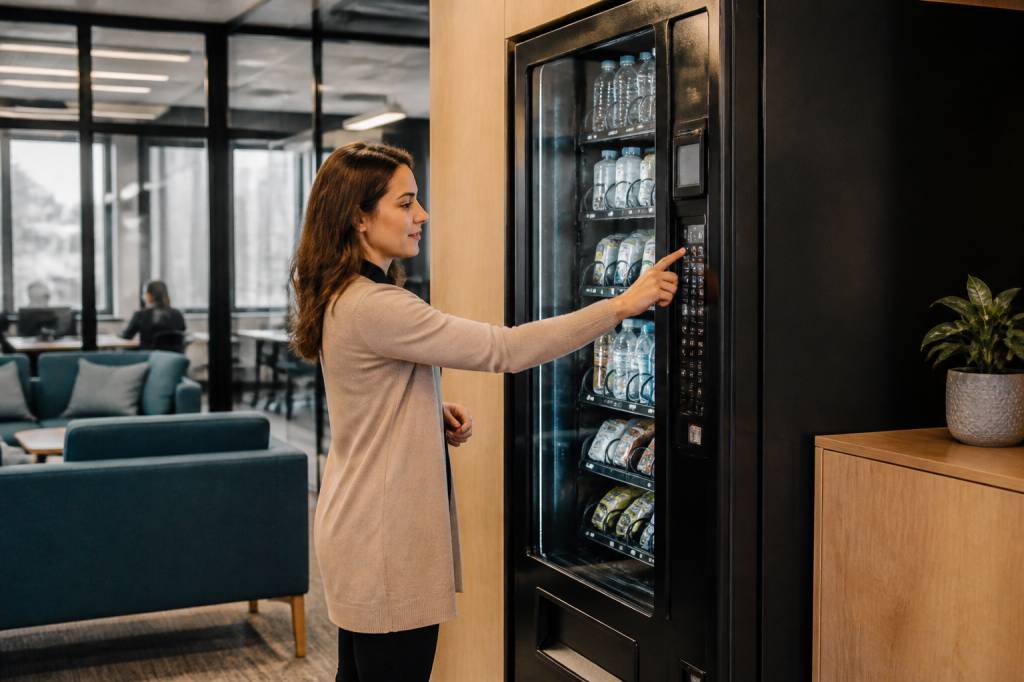
Vending machines for sale on location: a practical guide for businesses
For many businesses, a vending machine is a quiet little amenity that works throughout the day. It offers a bottle of water between meetings, a snack during a late shift, or a quick drink for visitors who have just arrived. Unlike a staffed café or shop, it does not need a large room, a full-time employee, or complicated opening hours.
Yet buying a vending machine for your business is not simply a matter of choosing the first attractive model you see. The best results come from matching the machine to your location, your customers, and the kind of service you want to provide. A machine in a busy factory will have different needs from one in a hotel, gym, school, office, or apartment building.
This practical guide explains what to consider when looking for vending machines for sale and how to make a sound decision for your premises. Think of it as preparing a small, dependable spring: the right setting, regular care, and a clear purpose allow it to serve people well.
Why businesses choose vending machines
Vending machines can create a convenient service for customers, employees, and visitors while also offering an additional source of income. Their appeal is rooted in simplicity. Once installed and stocked, a well-managed machine can operate with limited supervision.
Common benefits include:
- Access to drinks and snacks outside normal catering hours
- A convenient service for employees and visitors
- Potential additional revenue from product sales
- Less space required than a café or staffed refreshment area
- Flexible product choices suited to the local audience
- Support for healthier hydration and snacking habits
For a workplace, a chilled water machine may encourage staff to drink more regularly during a busy day. In a leisure centre, sports drinks and low-sugar refreshments may be more appropriate. In a hotel or residential building, a mixture of hot drinks, cold beverages, and small essentials could be useful.
The machine is only the visible part of the service. Its success depends on the products inside, its position, its reliability, and the experience it offers when someone needs it.
Buy or rent: which option suits your business?
When exploring vending machines for sale on location, you may also come across rental, lease, or managed-service arrangements. Each option has its own advantages, so the best choice depends on your budget and how much responsibility you want to take on.
Buying a vending machine
Purchasing a machine usually requires a larger initial investment, but the equipment becomes your business asset. You can choose the products, set the prices, and decide how the machine is maintained.
Buying may be suitable if:
- You expect the machine to remain in place for several years
- You have enough capital for the initial purchase
- You want control over products and pricing
- You are comfortable managing stock and maintenance
- The location has reliable and predictable demand
Ownership can provide stronger long-term returns, but remember to include installation, payment systems, electricity, servicing, insurance, and stock in your calculations. The purchase price is only the first stone in the path.
Renting or leasing
Renting or leasing can reduce the upfront cost and may include maintenance or technical support. This arrangement can be helpful for a business testing vending for the first time or operating in a temporary location.
Before signing, check the agreement carefully. Ask who is responsible for repairs, restocking, collection of money, delivery, and removal if the arrangement ends. Also look for minimum contract periods, cancellation terms, and any fees for replacing equipment.
Using a fully managed service
Some vending operators install and manage the machine on your premises. They may provide the equipment, products, maintenance, and payment collection. In return, your business may receive a commission or simply offer the facility as a customer service.
This is often the simplest route for busy businesses that do not want to monitor inventory. However, you may have less control over the product range and prices. Request a written explanation of what will be supplied and how often the machine will be serviced.
Start with the location
A vending machine can be beautifully designed and fully stocked, yet perform poorly if it is placed where nobody notices it. Location is one of the most important factors affecting sales.
Look for an area with regular foot traffic and a natural pause. Entrances, reception areas, staff rooms, waiting areas, break rooms, gym foyers, and transport hubs can all work well. A machine hidden behind a door or placed beside noisy equipment may be easy to overlook.
Consider the following questions:
- How many people pass this point each day?
- Do they spend enough time nearby to make a purchase?
- Is the machine visible from a main walkway?
- Is there enough room for people to queue without blocking access?
- Is the area dry, clean, and well lit?
- Is there a nearby power supply if refrigeration is required?
- Will the machine be protected from accidental damage or extreme temperatures?
For outdoor installation, weather protection becomes especially important. The machine may need a suitable enclosure, stronger construction, and protection from rain, frost, direct sunlight, and vandalism. Outdoor locations can attract passing trade, but they also ask more from the equipment.
Choose the right type of machine
Vending machines are designed for different products and environments. Selecting the right type begins with understanding what people actually want to buy.
Cold drink machines
These machines are well suited to offices, gyms, schools, visitor attractions, workplaces, and public areas. They can offer bottled water, cans, juices, energy drinks, and soft drinks.
If health and wellbeing are central to your business, place water at the heart of the range. Still and sparkling options, larger bottles, and low-sugar drinks can provide practical alternatives to heavily sweetened beverages. A chilled bottle of water can be a small kindness on a warm afternoon.
Snack machines
Snack vending machines can offer crisps, cereal bars, nuts, confectionery, biscuits, fruit, and other compact products. Adjustable shelves are useful because they allow you to change the selection as demand becomes clearer.
Be careful with products that melt, crumble, or have a short shelf life. A machine stocked with unsuitable items can quickly look untidy and create unnecessary waste.
Combination machines
Combination machines sell both drinks and snacks in one unit. They are convenient where floor space is limited, although they may hold fewer products in each category than separate machines.
They can be a sensible choice for a small office, hotel, or workplace where demand is moderate but varied. In a large site, separate machines may provide greater capacity and reduce the need for frequent restocking.
Hot drink machines
Coffee, tea, hot chocolate, and speciality drinks can be popular in offices, colleges, hospitals, and industrial settings. These machines require closer attention to water quality, cleaning, ingredients, waste, and temperature control.
Where water is treated or filtered, check that the system is suitable for the machine and maintained according to the manufacturer’s guidance. Good water is the quiet foundation of every satisfying cup.
Payment options matter
Customers increasingly expect fast, flexible payment. A machine that accepts coins but not cards may lose sales, particularly in offices and public venues where people carry less cash.
Depending on the model, payment options may include:
- Coins and notes
- Contactless bank cards
- Mobile wallets
- Prepaid cards or staff cards
- Cashless systems linked to a workplace or membership account
Contactless payment is especially useful for drinks and snacks, where customers expect a quick purchase. Ask the supplier about transaction fees, connectivity, software updates, and what happens if the payment terminal loses its connection.
Clear pricing is equally important. Labels should be easy to read, and the payment process should not feel like a puzzle hidden inside a metal cabinet. Convenience should remain convenient.
Calculate the full cost
To decide whether a vending machine is worthwhile, estimate both income and operating costs. A simple calculation can prevent unrealistic expectations.
Consider:
- Purchase, rental, or lease payments
- Delivery and installation
- Electrical consumption
- Stock and delivery charges
- Payment processing fees
- Maintenance and call-out costs
- Cleaning and waste disposal
- Insurance and security measures
- Staff time spent checking and restocking
For example, imagine a machine selling 25 products per day with an average profit of 60 pence per item. That creates £15 gross profit per day before electricity, servicing, payment charges, stock handling, and other costs. The figure may be attractive, but it must be tested against the real conditions of your location.
Do not judge performance after only one quiet week. Demand may change with seasons, shift patterns, school terms, local events, and weather. A cold drink machine may flourish during a sunny spell and slow down during a wet winter. Keep records for at least several weeks before making major changes.
Product selection and healthier choices
The contents of the machine should reflect the people using it. A workplace with long shifts may value filling snacks and large bottles of water. A gym audience may prefer hydration drinks, protein products, and lighter snacks. A family attraction may need a broad range for adults and children.
A balanced selection might include:
- Still and sparkling water
- Low-sugar or sugar-free drinks
- Fruit juices in sensible portions
- Nuts and seeds, where appropriate
- Cereal or granola bars
- Fresh or dried fruit
- Sandwiches or wraps in suitable refrigerated machines
- A small number of traditional treats
Healthy options do not need to be presented as a lecture. Simply make them visible, affordable, and easy to choose. If water is placed at eye level and priced fairly, many customers will reach for it without needing persuasion.
Always check allergy information, expiry dates, temperature requirements, and packaging condition. A well-managed machine should feel fresh and trustworthy each time it is opened.
Maintenance, hygiene, and reliability
A vending machine is a public-facing part of your business. If it is dirty, empty, or repeatedly out of order, customers may associate that experience with the wider organisation.
Create a simple maintenance routine covering:
- Daily or regular visual checks
- Cleaning touchscreens, buttons, handles, and collection areas
- Checking product dates and packaging
- Removing damaged or expired items
- Testing payment systems
- Monitoring temperature in refrigerated units
- Inspecting for leaks, unusual noise, or error messages
- Keeping the surrounding floor and wall area clean
Ask the supplier how quickly technical faults are normally addressed. A machine that stands empty or broken for several days can lose customer confidence quickly. Find out whether replacement parts are readily available and whether engineers are based locally.
For food and drink equipment, hygiene procedures should be clear and consistent. If fresh food, milk, or hot beverages are involved, the cleaning schedule will need to be more detailed than for a simple packaged-snack machine.
Security and practical installation
Vending machines contain products, money, and electronic components, so security deserves attention. Choose a robust model with suitable locks and consider anchoring it where appropriate. Good lighting and a visible position can discourage misuse.
Before installation, confirm the floor can support the equipment and that the machine can pass through doors, corridors, and lifts. Measure carefully. A machine that fits beautifully on a brochure may be less cooperative in a narrow hallway.
Also check accessibility. Customers should be able to approach, read the display, make a payment, and collect their purchase comfortably. If your premises serve people with disabilities, review the machine’s height, controls, screen design, and surrounding space.
Questions to ask a supplier
Comparing suppliers is easier when you ask the same practical questions to each one. Look beyond the appearance of the machine and explore the service behind it.
- Is the machine new, refurbished, or used?
- What warranty is included?
- How long are replacement parts available?
- Who installs and tests the machine?
- What maintenance support is provided?
- Can the product layout and prices be adjusted?
- Which payment methods are supported?
- What energy-saving features are included?
- Is remote stock or fault monitoring available?
- Are delivery, training, and removal included in the quoted price?
Request a complete written quotation rather than relying on a headline price. Two machines with similar specifications may have very different long-term costs once support and payment services are included.
Make the service feel part of the business
The best vending machines do not feel like an afterthought. Keep the surrounding area clean, display clear information, and make it easy for customers to report problems. A small sign explaining how to request a refund or contact support can prevent frustration.
Review sales data regularly. If one product never moves, replace it. If water sells out every afternoon, increase the stock or add a second machine. Listen to the people using the service; they are already telling you how to improve it.
A vending machine may be made of glass, steel, and circuits, but its purpose is wonderfully human: to offer something useful at the right moment. With a sensible location, dependable equipment, thoughtful products, and regular care, it can become a reliable part of the daily rhythm of your business.