


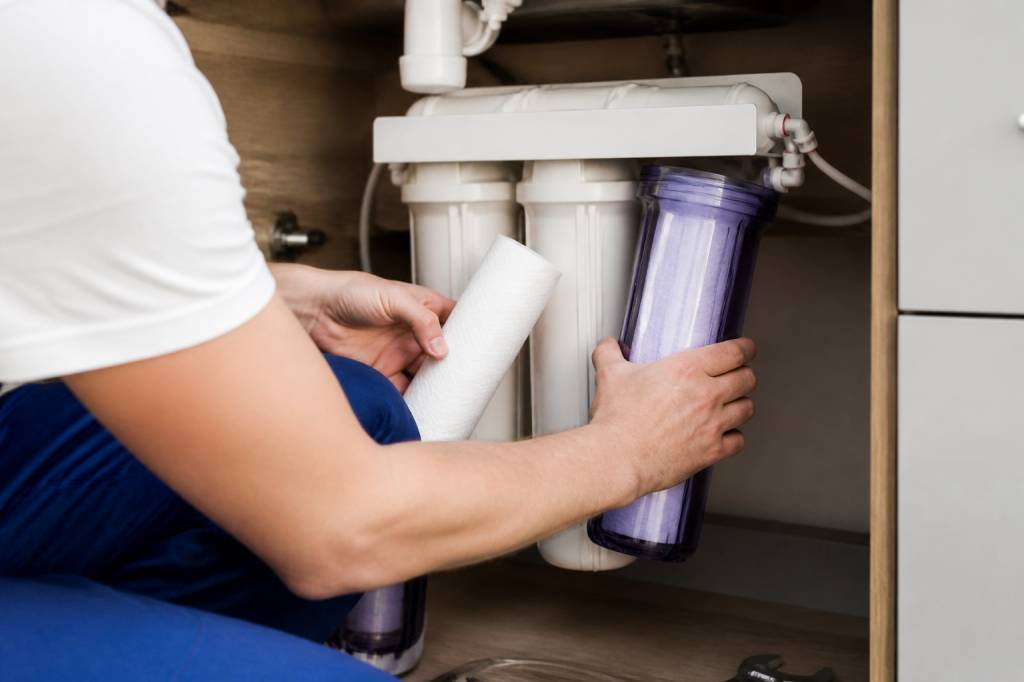
A water filter works quietly in the background, turning an everyday glass of tap water into something cleaner, fresher and more pleasant to drink. Like any part of the home, however, it needs a little care. Even the best filtration system cannot perform well indefinitely without regular servicing and timely replacement of its filters.
Knowing when to clean, service or replace your equipment helps protect water quality, maintain good flow and prevent small issues from becoming expensive repairs. It also brings peace of mind: the water you pour into your kettle, bottle or cooking pot has passed through a system that is properly cared for.
Why water filter servicing matters
Every water filter has a working life. As water passes through the cartridge, the filter gradually collects the substances it was designed to reduce. Depending on the type of system, this may include chlorine, sediment, unpleasant tastes, odours, limescale or certain contaminants.
Over time, the filter media becomes less effective. A cartridge that is full of trapped particles may also slow the flow of water. In some cases, neglecting maintenance can create a damp environment where unwanted bacteria may multiply. A filter is designed to improve your water, not become a forgotten cupboard resident with its own ecosystem.
Regular servicing helps to:
- Maintain good water flow and pressure.
- Preserve the taste and smell of filtered water.
- Ensure the filter continues to perform as intended.
- Reduce the risk of leaks and damaged connections.
- Protect other components, such as taps, pumps and ultraviolet systems.
- Extend the useful life of the complete filtration unit.
Servicing is particularly important for households that use a whole-house filter, an under-sink system or a treatment unit connected to several appliances. The more water a system handles, the more quickly its filter may reach capacity.
How often should a water filter be serviced?
There is no single schedule that suits every home. The correct interval depends on the filter type, the quality of the incoming water, the amount of water used and the manufacturer’s recommendations.
Many domestic cartridges are designed to be replaced every six to twelve months. Some may last longer, while others need changing after only three months. A family of five using filtered water for drinking, cooking and hot drinks will place a greater demand on a cartridge than one person living alone.
Homes supplied by a private well may also require more frequent attention. Well water can contain higher levels of sediment, minerals or naturally occurring substances, and its quality can vary throughout the year. If you use a private supply, routine water testing is a sensible part of your maintenance plan.
A useful starting point is to check:
- The installation date of the current cartridge.
- The recommended service life provided by the manufacturer.
- The estimated capacity, usually measured in litres or gallons.
- The number of people using the system.
- Any changes in taste, smell, flow or appearance.
Do not wait for a filter to become completely blocked before replacing it. The recommended date is a practical guide, not a challenge to see how long the cartridge can endure.
Signs that your water filter needs attention
Some signs are easy to notice. Others are quieter, appearing gradually as the system loses efficiency. Watching for both can help you act before a minor problem becomes inconvenient.
- Reduced water flow: A noticeable drop in pressure may mean the cartridge is clogged with sediment or other trapped material.
- Changes in taste or odour: If water begins to taste strongly of chlorine or develops an unusual smell, the filter may be exhausted.
- Cloudy or discoloured water: This should always be investigated, especially if the change appears suddenly.
- Unusual noises: Whistling, rattling or banging can indicate air in the system, a loose fitting or a problem with water pressure.
- Leaks or dampness: Moisture around the housing, tubing or tap should not be ignored.
- A service indicator or alarm: Some modern systems include a light, timer or digital display to signal that maintenance is due.
It is worth remembering that clear water is not automatically safe water, and good-looking water does not prove that a filter is working correctly. Visible changes are useful warnings, but they are not a substitute for following the service instructions or arranging a water test when appropriate.
Understanding the main parts of a filtration system
A little familiarity with your system makes maintenance less mysterious. Most domestic units include several basic parts, although the exact arrangement varies.
Filter cartridge: This is the replaceable element that captures or reduces unwanted substances. Sediment cartridges remove particles, while activated carbon cartridges are commonly used to improve taste and reduce chlorine. More advanced systems may use reverse osmosis membranes, specialist media or ultraviolet treatment.
Filter housing: This is the container surrounding the cartridge. It may be transparent, allowing you to see collected sediment, or opaque for protection from light.
O-rings and seals: These small rubber components help prevent leaks where the housing joins together. They should be checked for cracks, flattening or dryness.
Inlet and outlet connections: These allow water to enter and leave the system. Loose tubing or fittings can cause leaks and reduce performance.
Pressure relief valve: Some systems include a button or valve that releases pressure before the housing is opened. Using it correctly makes cartridge changes safer and cleaner.
Knowing where these parts are located is useful, especially when you need to turn off the water quickly. Keep the installation instructions somewhere accessible rather than allowing them to disappear into the same drawer as expired takeaway menus.
A simple filter replacement routine
Many household filter changes can be completed by a careful homeowner, provided the manufacturer allows it. If you are unsure, a qualified installer or professional service technician should carry out the work.
Before beginning, gather the correct replacement cartridge, a clean cloth, a container or shallow bowl, and any housing wrench supplied with the system. Wash your hands thoroughly.
- Turn off the water supply to the filter.
- Open the filtered-water tap to release pressure.
- Place a cloth or container beneath the housing to catch residual water.
- Unscrew the housing carefully using the correct tool.
- Remove the old cartridge and dispose of it according to local guidance.
- Clean the inside of the housing with warm water and a clean cloth.
- Inspect the O-ring and replace it if it is damaged or misshapen.
- Install the new cartridge in the correct direction.
- Refit the housing firmly, but do not overtighten it.
- Turn the water back on slowly and check every connection for leaks.
- Flush the new cartridge for the time recommended by the manufacturer.
Flushing is important. New carbon cartridges can release a small amount of harmless carbon dust, which may make the first water appear grey or cloudy. Allowing sufficient water to pass through the cartridge clears this residue and prepares the filter for normal use.
Cleaning the housing and surrounding equipment
Replacing the cartridge is only one part of good maintenance. The housing should also be cleaned at appropriate intervals, especially when sediment is visible or the system has been unused for some time.
Use clean water and a soft cloth to remove residue. Avoid harsh household chemicals unless the manufacturer specifically recommends them. Strong cleaners can damage plastics, seals or filter media, and traces may remain in the system.
Never use a dirty cloth or place a new cartridge on an unclean surface. A simple, careful approach is best: clean hands, clean tools and a clean working area. If the system includes a storage tank, tubing or a dedicated tap, inspect these components as well.
For ultraviolet systems, the lamp may need replacement at a set interval even if it still appears to be working. Its disinfecting ability can decline with age. The quartz sleeve surrounding the lamp may also need cleaning, as mineral deposits can reduce the light reaching the water.
When professional servicing is the wiser choice
Some maintenance tasks are straightforward. Others require specialist knowledge, testing equipment or safe handling procedures. Professional servicing is recommended when:
- The system includes reverse osmosis, ultraviolet treatment or several filtration stages.
- You notice persistent leaks, unusual pressure or repeated faults.
- The water source is a private well or another non-mains supply.
- The unit has not been serviced for a long period.
- You suspect contamination or a sudden change in water quality.
- The equipment is connected to a whole-house plumbing system.
- You are unable to identify the correct replacement parts.
A service visit may include checking flow and pressure, inspecting valves and connections, testing water quality, sanitising the system and confirming that replacement parts are compatible. It can also identify installation problems that are not obvious from the outside.
Do not attempt to modify a system to remove substances it was not designed to handle. A carbon filter, for example, is not a universal answer to every water-quality concern. The right treatment depends on the issue, the supply and the performance data for the equipment.
Choosing the right replacement filter
Replacement cartridges can look remarkably similar while having very different specifications. Always use the model recommended for your system, or confirm compatibility with the manufacturer or supplier.
Consider the following points:
- Size and connection: The cartridge must fit the housing correctly and seal securely.
- Filtration rating: A sediment filter’s micron rating affects the size of particles it can capture.
- Capacity: Check how many litres the cartridge is designed to treat.
- Flow rate: A filter that is too restrictive may reduce pressure throughout the system.
- Certification: Look for relevant performance standards and independently verified claims where available.
- Intended purpose: Choose a cartridge suited to taste, sediment, limescale or another specific concern.
Cheaper is not always better value. An unsuitable cartridge may provide disappointing performance or place unnecessary strain on the system. A reliable replacement, changed at the correct interval, is usually a calmer and more economical choice in the long run.
Keeping a practical maintenance record
A small record can make filter care almost effortless. Note the date of installation, the cartridge model and the date it should next be replaced. If your system has several stages, record each one separately, as they may not all share the same service interval.
You might keep a simple note on your phone or attach a label inside the cupboard beneath the sink. Include any observations about taste, flow or unusual noises. This information can be valuable if a professional needs to diagnose a problem later.
It is also wise to keep one spare cartridge at home. A replacement is not much use if it is sitting in a warehouse several counties away while your old filter has already reached its final, rather grim, chapter.
Healthy water habits at home
Good filtration works best alongside sensible everyday habits. Clean the filtered-water tap regularly, particularly around the outlet where water leaves the fitting. Avoid touching the opening with unwashed hands or placing bottles directly against it.
If the system has been unused for several days, follow the manufacturer’s instructions for flushing before drinking the water. During holidays or periods when a property is empty, turn off the supply if recommended and inspect the system when you return.
Pay attention to local water-quality information, especially after plumbing work, flooding or an interruption to supply. If water suddenly changes in appearance, smell or taste, stop using it for drinking until the cause has been checked.
A well-maintained filter is a modest piece of equipment, but it supports a daily ritual that matters: filling a glass, making tea, preparing food and staying hydrated without giving the water a second thought. With a little regular care, your filtration system can continue to work quietly and reliably, like a clear stream moving beneath the morning light.