


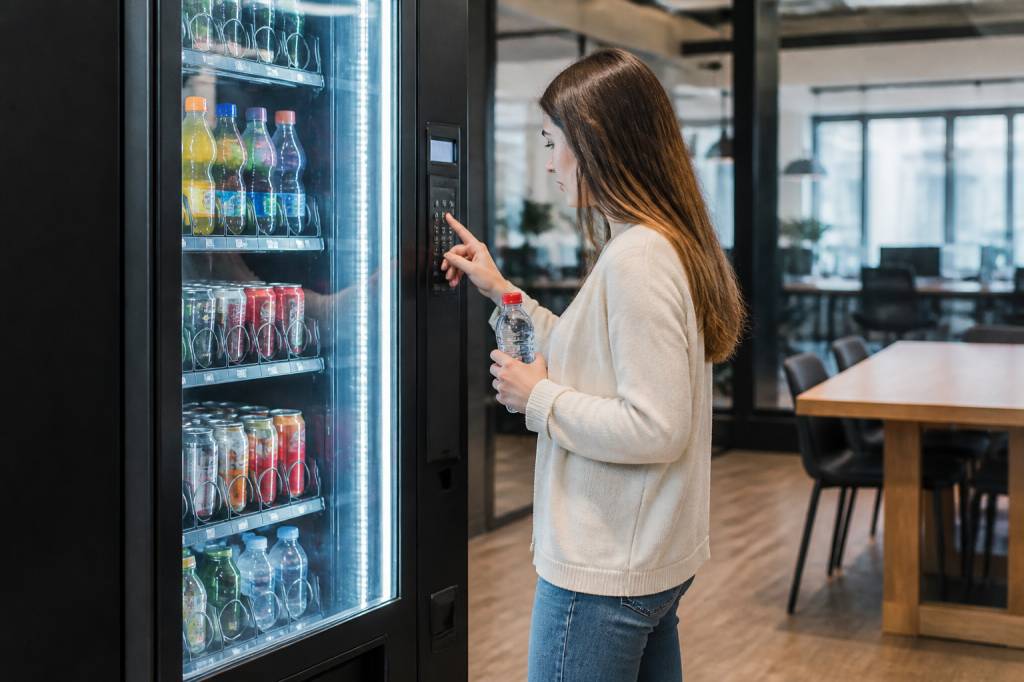
In a busy workplace, school, leisure centre or public building, a vending machine can offer a welcome pause in the day. A cold drink after a meeting, a bottle of water following a workout, or a quick refreshment during a long shift can make a small but meaningful difference.
Yet choosing and managing a soft drink vending machine involves more than finding a convenient box, filling it with cans and plugging it in. The right machine should support the wellbeing of the people using it, fit naturally into the space, operate reliably and make sensible use of energy and packaging.
For businesses and workplaces, the best approach is a balanced one: provide choice without encouraging excess, make healthier drinks easy to find, and consider the environmental footprint of every purchase. With a little planning, a vending machine can become a useful part of a well-designed workplace rather than just another appliance humming in the corner.
Why install a soft drink vending machine?
The most obvious benefit is convenience. Employees and visitors may not have access to a shop nearby, particularly in industrial estates, offices outside town centres or large public buildings. A vending machine keeps refreshments available throughout the day, including during early starts, late shifts and weekends.
For employers, this can help create a more comfortable working environment. A person who can quickly buy a drink on site may be less likely to leave the premises during a short break. In larger workplaces, a machine can also reduce interruptions and provide a simple service for staff, contractors and visitors.
There may be a financial benefit too. Depending on the agreement with the operator, a business might receive a small commission from sales or provide refreshments at a controlled price. Some companies choose to operate the machine themselves, while others work with a vending supplier that manages stocking, maintenance and payments.
The machine’s location matters greatly. A unit hidden behind a storage cupboard will not serve anyone well. Place it where people naturally pass through, such as a reception area, staff room, break room or entrance to a leisure facility. It should be visible, easy to reach and positioned away from direct sunlight or sources of heat.
Choosing the right machine for your space
Soft drink vending machines come in many shapes and sizes. Before choosing one, consider the number of people using the building, the available floor space and the likely demand throughout the week.
- Capacity: A small office may need only a compact machine, while a factory, hospital or university site may require a larger model with several rows of products.
- Product flexibility: Look for adjustable shelves and compartments so you can offer cans, bottles and different drink sizes.
- Payment options: Contactless payment is now essential for many customers. Some machines also accept coins, notes, mobile wallets or prepaid cards.
- Accessibility: Controls, screens and collection areas should be easy to use for people with different heights, abilities and mobility needs.
- Visibility: A well-lit display makes the machine easier to use and helps customers see the available choices clearly.
- Reliability: Ask about servicing, response times and replacement parts before signing an agreement.
It is also worth checking the machine’s energy rating. A modern, well-insulated machine may use considerably less electricity than an older model. Features such as LED lighting, efficient cooling systems and automatic sleep modes can reduce energy consumption without affecting the customer experience.
Not every drink needs to be chilled to the same temperature, either. Water, juice drinks and some soft drinks are most enjoyable when cool, but keeping a machine excessively cold can waste energy. A sensible setting is a quiet reminder that comfort and conservation can live side by side.
Creating a balanced drink selection
The contents of the machine will shape how people use it. If every option is high in sugar, the machine may satisfy a momentary craving but do little to support everyday wellbeing. A more thoughtful range gives people freedom of choice while making healthier refreshments readily available.
Still water should be one of the easiest products to see and reach. Place it at eye level or in a prominent position rather than hiding it at the bottom of the display. Sparkling water, lightly flavoured water and smaller bottles can provide variety for people who prefer something different.
You might also include:
- Low- or no-sugar soft drinks
- Unsweetened sparkling water
- Fruit juice in modest serving sizes
- Low-calorie iced teas
- Electrolyte drinks for sports and leisure settings
- Caffeine-free options for people who prefer to avoid stimulants
- Traditional full-sugar drinks in limited quantities
Clear labelling is helpful. Customers should be able to understand whether a drink contains sugar, caffeine, artificial sweeteners or allergens without having to search for tiny print. This is particularly important in workplaces with a diverse staff, where dietary needs and personal preferences can vary widely.
A balanced machine does not need to feel restrictive. Nobody wants a vending display that resembles a stern nutrition lesson. Instead, think of it as a small drinks shelf with a calm and sensible rhythm: water first, healthier alternatives alongside familiar favourites, and enough variety to suit different moments.
Supporting hydration at work
Hydration is easy to overlook during a busy day. People become absorbed in emails, machinery, customer service or meetings, and a few hours can pass before they remember to drink. Mild dehydration may contribute to tiredness, headaches and difficulty concentrating, although the signs are not always obvious.
A vending machine can help by making drinks available at the point where people need them. This is especially useful in warm workplaces, active environments and buildings where staff cannot easily leave their work area.
However, a vending machine should be part of a wider hydration culture. Employers can support good habits by providing refill stations, clean drinking water and suitable cups or bottles. A short message near the machine, such as “Take a moment to refresh,” can encourage people to choose water without sounding like an instruction from a school noticeboard.
Where possible, offer larger reusable bottles as well as single-serve drinks. A person working an eight-hour shift may find a 500 ml bottle convenient, but a durable bottle that can be refilled throughout the day creates less packaging waste and keeps water within easy reach.
Reducing packaging and environmental impact
Every drink container has a journey. It begins with raw materials, travels through manufacturing and transport, and eventually needs to be reused, recycled or disposed of. A vending machine may be small, but its environmental effect grows with every bottle and can sold.
Choose products in recyclable packaging and make the recycling message visible. Clearly labelled bins placed beside the machine can improve recycling rates, particularly when the bin is designed to separate cans and bottles from general waste.
Reusable options can also make a difference. Some workplaces sell refillable bottles through the machine or place the vending unit near a mains-fed water dispenser. This gives people the choice to buy a sealed drink when they need one while encouraging a lower-waste routine for everyday hydration.
Stocking should be planned carefully as well. Overstocking creates unnecessary transport, storage and product waste, especially when drinks pass their best-before dates. Review sales figures regularly and adjust the product mix according to actual demand. A machine that sells steadily is usually more sustainable than one filled with products that remain untouched for weeks.
Small operational changes can help too:
- Use an energy-efficient machine with automatic standby settings.
- Switch off lighting during quiet periods where appropriate.
- Keep the machine away from radiators, ovens and direct sunlight.
- Arrange deliveries efficiently to reduce unnecessary journeys.
- Use recyclable or reusable transport crates where possible.
- Provide a nearby recycling point that is easy to recognise.
Hygiene, maintenance and reliability
A vending machine is part of the shared environment, so cleanliness matters. Dust, fingerprints and spilled drinks can quickly make a machine look neglected. Regular cleaning of the exterior, payment area and collection tray helps maintain trust and gives users confidence in the service.
Internal maintenance should be handled according to the manufacturer’s instructions and food safety requirements. Cooling systems, product shelves and dispensing mechanisms need routine checks. Any leaking, damaged or expired product should be removed promptly.
For a workplace, reliability is just as important as appearance. A machine that repeatedly takes payment without delivering a drink will soon become the subject of office folklore. Display a clear contact number or QR code so users can report faults and request refunds. Fast responses show that the business takes the service seriously.
Keep a simple record of:
- Cleaning dates
- Restocking visits
- Temperature or cooling checks
- Reported faults
- Refunds and payment problems
- Products approaching their use-by or best-before dates
In sensitive settings such as schools, care homes or healthcare facilities, additional policies may apply. Check local regulations and site-specific requirements before installing a machine, particularly where children, vulnerable people or food allergies are involved.
Making the machine work for your business
The most successful vending machines are managed using real information rather than guesswork. Review which products sell, when demand is highest and whether customers prefer cans, bottles or larger formats. Sales patterns may change with the seasons: chilled drinks can be popular during warm weather, while hot drinks or less cooling-focused refreshments may perform better in winter.
Ask people what they would like to see. A short staff survey can reveal useful details, such as demand for sugar-free drinks, sparkling water or caffeine-free options. It can also prevent a common problem: filling a machine with products chosen by management rather than by the people who actually use it.
Pricing should be clear and fair. Display prices beside each selection, and ensure that contactless payments work smoothly. If the business subsidises certain products, consider using this to make water and healthier choices more affordable. A small difference in price can gently influence habits without removing choice.
Think about the wider atmosphere too. A vending machine beside a clean seating area, a water refill point or a few plants feels more welcoming than one placed beside bins and noisy equipment. Even a practical appliance can become part of a healthier, more pleasant environment when its surroundings are considered.
A simple checklist before installation
Before bringing a soft drink vending machine into your workplace or business, take a quiet walk through the building and ask a few practical questions:
- Who will use the machine, and how many people are likely to buy drinks?
- Where can it be placed without blocking walkways or emergency access?
- Is there a suitable power supply nearby?
- Will customers be able to reach and operate it comfortably?
- Which drinks support the needs and preferences of the people on site?
- How will the machine be cleaned, restocked and repaired?
- Where will empty cans and bottles be recycled?
- Is the payment system secure, simple and accessible?
- What happens if a customer pays but does not receive a product?
- How will sales and customer feedback be reviewed?
These questions may seem modest, but they prevent many of the difficulties that appear later. A vending machine should offer ease, not create another source of daily friction.
A refreshment service with a lighter footprint
Soft drink vending machines can be useful additions to workplaces and public spaces when they are selected with care. They provide convenience, support hydration and offer a simple service for people moving through busy days.
The gentlest approach is also often the most practical: make water visible, provide a balanced range of drinks, choose efficient equipment and keep the machine clean and dependable. Pair it with recycling facilities and refill options, and the machine becomes part of a broader culture of wellbeing rather than an isolated sales point.
Like a clear stream running through a shared landscape, good workplace choices do not need to be complicated to have an effect. A well-planned vending machine gives people something refreshing when they need it, while leaving a smaller footprint on the world around them.