


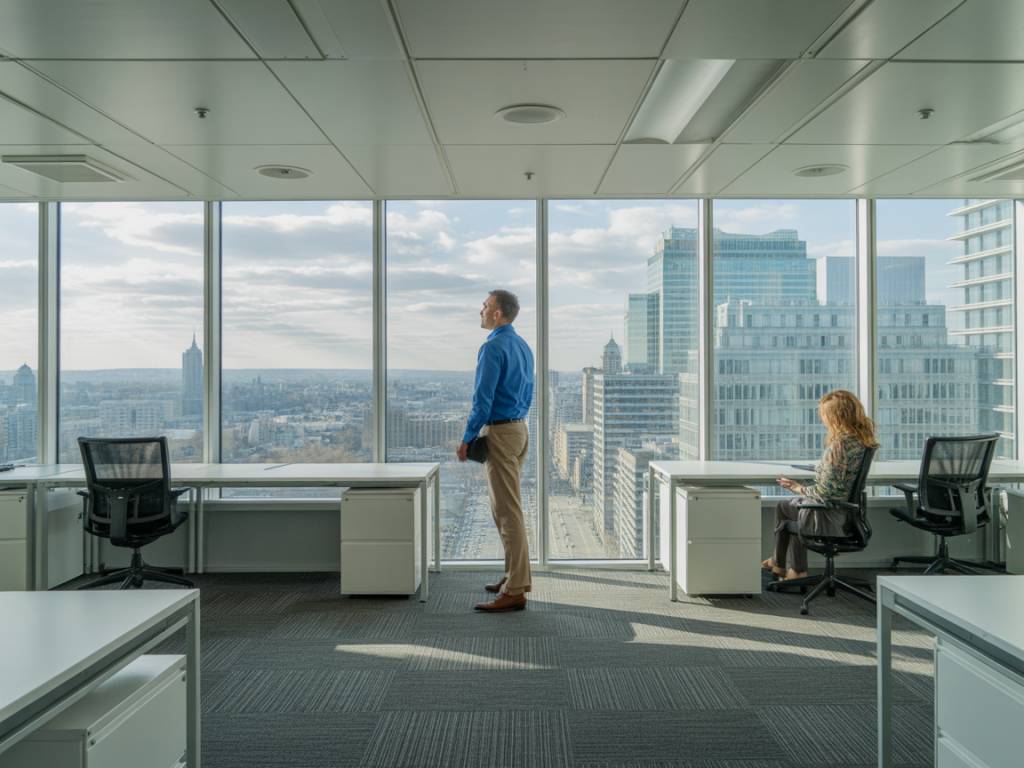
In every office, air and water quality quietly shape how people feel, think and work. Seasonal changes amplify that effect. Temperature swings, humidity shifts and changing patterns of building use can all influence indoor air quality and workplace water quality, sometimes in subtle ways that only become visible when problems appear.
For facilities managers, HR teams and business owners, understanding these seasonal dynamics is no longer optional. It is a core part of workplace health, employee wellbeing and corporate risk management. It also sits at the crossroads of energy efficiency, regulatory compliance and the growing demand for sustainable office services.
Why Seasonal Changes Matter for Office Air and Water Quality
Outdoor conditions don’t stay outside. They shape how HVAC systems operate, how often doors and windows open, and how water systems are used. Across a year, the building’s internal environment can shift significantly, even if the office layout never changes.
Seasonal factors that affect office indoor air quality and water quality include:
- Temperature extremes that stress HVAC systems and alter ventilation rates
- Humidity variations that influence mould growth, dust levels and respiratory irritation
- Changes in office occupancy patterns, from summer holidays to winter peak presence
- Variations in municipal water temperature and chemistry that can affect taste and microbial risk
- Different cleaning practices and disinfection routines at various times of year
These shifts are predictable. That means businesses can anticipate them and prepare rather than react. A seasonal approach to air and water management is often more effective than a one-size-fits-all policy applied all year round.
Spring: Pollen, Dust and Reawakening Water Systems
Spring brings longer days, more sunlight and an increase in biological activity outdoors. It also signals a change indoors, particularly for office air quality.
Key spring impacts on office air and water include:
- Pollen and allergens: Higher pollen counts can infiltrate buildings through open windows, doorways and ventilation intakes, aggravating allergies and asthma.
- Dust and settled particles: After winter, changes in humidity and cleaning routines can disturb dust that has built up in ducts, carpets and office furnishings.
- Recommissioning: Offices or sections that have been used less in winter may return to fuller occupancy, putting new pressure on air handling units and water outlets.
- Water stagnation risks: Taps, showers or little-used water dispensers that have stood idle may harbour bacteria if not flushed and maintained properly.
Spring is often the best time to review HVAC filter performance, check ventilation rates, and service mains-fed water dispensers and office drinking water systems before summer demand rises.
Summer: Heat, Humidity and Hydration in the Office
Summer conditions can challenge both office comfort and workplace health. Rising temperatures outside push cooling systems hard. Indoors, the balance between energy efficiency and indoor air quality becomes more delicate.
Common summer issues for office air and water quality include:
- Reduced fresh air: To control cooling costs, some buildings limit outside air intake, which can allow CO₂ and indoor pollutants to accumulate.
- High humidity: Inadequate dehumidification may lead to damp patches, mould growth and musty odours, especially in older buildings or poorly insulated zones.
- Increased use of office water dispensers: Staff drink more during warmer months, placing greater demand on bottled water coolers and mains-fed coolers.
- Microbial growth in standing water: Warm temperatures support bacterial growth in poorly maintained cooling towers, storage tanks and seldom-used pipework.
From a wellbeing perspective, visible access to clean, cool drinking water becomes more than a courtesy. It is a practical necessity for staff comfort, focus and productivity. Modern businesses often use summer as a trigger point to review the performance and placement of office water coolers, consider switching from bottled water dispensers to plumbed-in systems, and check that filters are changed on schedule.
Autumn: Transition, Ventilation Shifts and Indoor Pollutants
As temperatures drop and the heating season begins, office buildings move into a transitional phase. Windows are closed more often. Heating systems and air handlers start working harder. The result is a change in how indoor pollutants behave.
Autumn impacts can include:
- Reduced natural ventilation: With windows closed, airborne pollutants such as volatile organic compounds (VOCs), printer emissions and cleaning chemicals can build up.
- Filter loading: HVAC filters that have captured summer dust, pollen and outdoor pollutants may become clogged, reducing airflow and filtration efficiency.
- Drying air: As heating systems switch on, relative humidity may fall, contributing to dry eyes, irritated airways and increased perception of “stale” air.
- Changing water temperatures: Cooler incoming water can alter taste, and may influence how staff perceive office water quality.
This is an ideal time to review filter replacement schedules, recalibrate smart building controls and ensure water systems are prepared for lower ambient temperatures. For businesses that schedule annual indoor air quality testing, autumn checks can provide a baseline before peak winter occupancy.
Winter: Closed Windows, Dry Air and Legionella Risks
Winter is when building envelopes become most sealed. With doors and windows closed and heating at full power, seasonal indoor air quality challenges peak. At the same time, some parts of the water system may become under-used due to holidays and remote working patterns.
Typical winter impacts on office air and water quality include:
- Low humidity: Heated indoor air can become very dry, contributing to skin irritation, respiratory discomfort and possibly greater transmission of some airborne viruses.
- Higher concentration of indoor pollutants: With minimal outdoor air exchange, pollutants generated by office activities, people and materials tend to accumulate.
- Condensation and cold spots: Poorly insulated areas may develop condensation, which can promote mould growth behind furniture, in ceiling voids or near windows.
- Legionella and stagnation risks: Reduced use of showers, little-used bathrooms, or backup water coolers during holiday periods can increase the risk of microbial growth in water systems.
A proactive winter strategy often includes balancing humidity, optimising mechanical ventilation, and maintaining robust Legionella control measures, especially in larger or complex buildings. Businesses that operate hybrid work patterns should pay particular attention to outlets that may be used sporadically, implementing routine flushing and documented checks.
Practical Strategies to Improve Office Air Quality All Year Round
Seasonal variation does not mean constant upheaval. Instead, it encourages a structured plan for year-round office air quality management, with targeted adjustments as conditions change.
Practical steps include:
- Regular HVAC maintenance: Schedule servicing before heavy-use seasons. Clean coils, check dampers, and verify that ventilation rates meet current guidance for indoor air quality in offices.
- Smart filter management: Use high-quality filters (such as HEPA or high MERV-rated filters where systems allow) and adjust change frequency in response to measured pressure drops, not just fixed dates.
- Monitoring indoor conditions: Simple sensors tracking temperature, CO₂, humidity and particulates offer real-time insight. Seasonal trends can then guide fine-tuning of building controls.
- Zoning and airflow design: Review air distribution across open-plan areas, meeting rooms and enclosed offices to avoid stagnant zones that can become hotspots for poor indoor air quality.
- Source control: Specify low-emission furnishings and office equipment, refine cleaning products, and manage printing or photocopying hotspots with local extraction or separate rooms.
Combined, these measures support healthier air in every season, reducing complaints, absenteeism and energy waste.
Seasonal Management of Workplace Water Quality
Water in the office is no longer just about basic taps in a break room. Many workplaces now offer filtered mains-fed coolers, countertop dispensers, hot and cold taps and premium bottled water solutions. Each system interacts differently with seasonal changes.
Key considerations for managing office water quality across the year include:
- Regular flushing of outlets: Especially important after holiday periods or in hybrid offices where some zones may sit idle for days at a time.
- Filter replacement schedules: Filters on mains-fed water dispensers should be changed according to manufacturers’ guidance, with attention to higher summer usage.
- Legionella risk assessments: Larger buildings, premises with showers or complex pipework should maintain up-to-date Legionella control measures and adapt them to changing occupancy patterns.
- Storage and handling of bottled water: If using bottled water coolers, ensure bottles are stored away from heat and direct sunlight, particularly in summer, and rotated based on delivery dates.
- Temperature control: Verify that chilled and hot water functions remain within safe operating ranges, as ambient temperatures vary between seasons.
Some businesses choose to move from bottled water coolers to plumbed-in, mains-fed dispensers for greater control, lower plastic usage and more predictable hygiene. Others opt for a mix of water solutions to match different office zones. In both cases, regular servicing and clear responsibility for checks are essential.
Choosing Office Air and Water Solutions with Seasons in Mind
When selecting new equipment or suppliers, it helps to think beyond the initial specification and consider performance across the full year. Seasonal resilience can be a deciding factor between similar-looking options.
Questions businesses can ask potential suppliers include:
- How does this air purifier, HVAC unit or water dispenser perform in both high and low humidity conditions?
- What maintenance schedule is recommended, and how should it be adapted between summer and winter?
- Are filters, UV lamps or other consumables easily available, and can they be replaced without disrupting the office?
- How does the system support Legionella control, especially during periods of low use?
- Can monitoring data be integrated into existing building management systems to track seasonal trends?
By integrating these questions into procurement and facility planning, businesses can align investment in air and water quality with long-term health, sustainability and regulatory priorities.
Embedding Seasonal Awareness into Workplace Culture
Technical measures are only part of the picture. Staff behaviour plays a strong role in office air and water quality, and that behaviour also shifts with the seasons.
Practical ways to build seasonal awareness include:
- Sharing short updates with employees on how the business manages indoor air quality and safe drinking water across the year
- Encouraging responsible use of windows and portable heaters or fans so they do not undermine ventilation design
- Signposting where to find drinking water dispensers and promoting hydration during warm weather
- Providing simple channels for staff to report issues such as unusual tastes, odours, draughts or damp patches early
Over time, this approach creates a workplace where seasonal shifts are anticipated rather than feared. Clean office air and reliable, high-quality drinking water become consistent features, not seasonal luxuries dependent on the weather outside.