


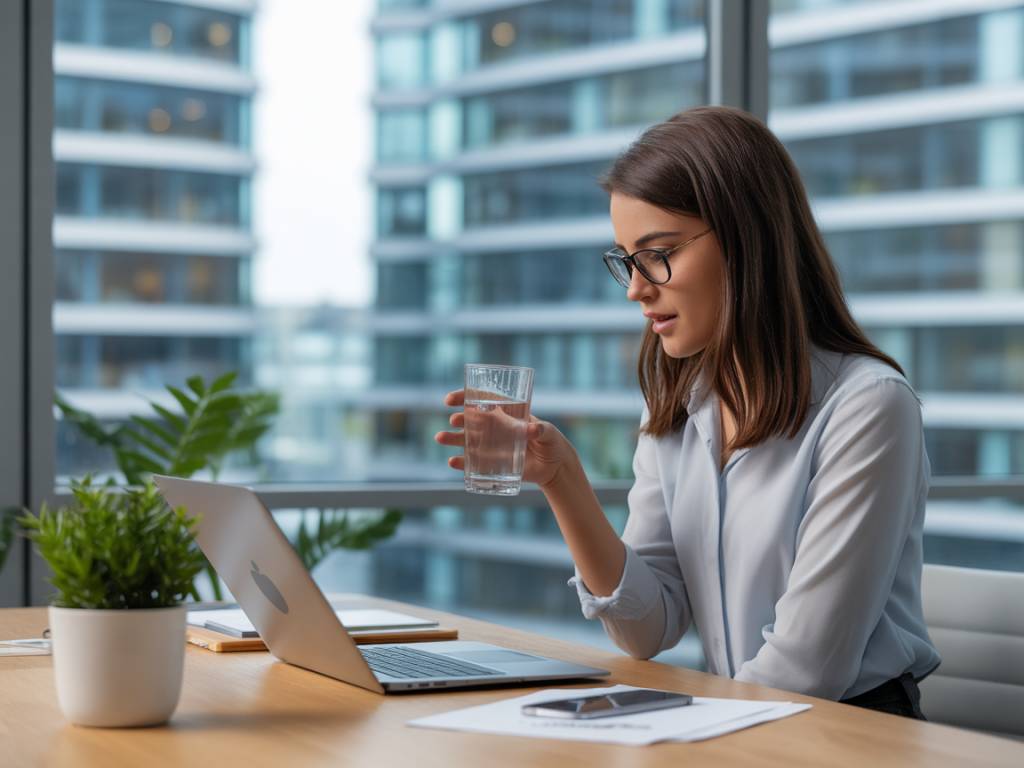
Poor indoor air quality in offices is often discussed in relation to comfort, productivity, and respiratory health. Less often, it is examined through another practical lens: office water consumption. The two issues are closely connected. When indoor air feels dry, stale, warm, or contaminated, employees tend to drink more water, use hydration products more frequently, and experience a wider range of wellbeing effects that can influence workplace performance.
For employers, facilities managers, and business leaders, this matters. Water use in the office is not only a utility question. It is also part of a wider workplace health strategy. In the UK and other English markets, more businesses are investing in office water dispensers, filtered water systems, air quality monitoring, and employee wellness initiatives. The reason is simple. Air and water are both fundamental to healthy working conditions, and when one declines, the other can quickly become more important.
Poor Indoor Air Quality and Office Water Consumption
Indoor air quality, often shortened to IAQ, describes the condition of the air inside a building. In office environments, it is affected by ventilation rates, temperature, humidity, carbon dioxide levels, dust, volatile organic compounds, cleaning chemicals, and occupancy. If the air is too dry or poorly circulated, employees may feel thirstier than usual, even when they are not physically exerting themselves. This can lead to a noticeable rise in office water consumption.
Dry air is one of the most common triggers. Heating systems, air conditioning, and limited fresh air exchange can reduce indoor humidity. As humidity drops, the body may perceive dehydration more quickly, especially during long desk-based workdays. Employees then reach for drinking water more often, which increases demand on bottled water delivery, plumbed-in water coolers, and tap-fed hydration stations.
Stale air has a similar effect. When carbon dioxide levels rise in enclosed offices, people often report fatigue, headaches, and reduced concentration. These symptoms are not always directly caused by dehydration, but they can encourage employees to drink more water in an effort to feel better and stay alert. In practical terms, poor indoor air quality can change hydration habits across an entire team.
Why Low Humidity Increases Thirst in the Workplace
Humidity plays a major role in workplace comfort. When relative humidity is too low, the moisture in the air evaporates more quickly from the skin, eyes, and respiratory tract. This can create a dry-mouth sensation that encourages water intake. Employees may also notice irritated eyes, a scratchy throat, or nasal discomfort, which further increases the desire to hydrate.
In open-plan offices, this effect can spread across many desks at once. A building with strong air conditioning, winter heating, or poor ventilation may create a consistent pattern of higher water consumption during certain seasons. This is one reason businesses often see a rise in office water dispenser usage during colder months, when indoor heating is high and natural ventilation is limited.
For companies tracking workplace resources, these seasonal changes are useful indicators. A spike in office water use can suggest environmental conditions are affecting staff comfort. It may also point to a broader need for indoor air quality improvements, such as better humidity control or ventilation upgrades.
How Poor IAQ Affects Employee Wellbeing
Employee wellbeing is influenced by more than job design and management style. The physical environment has a major impact on how people feel throughout the day. Poor indoor air quality can contribute to headaches, tiredness, dry eyes, throat irritation, reduced concentration, and a general sense of discomfort. These effects may appear mild at first, but over time they can affect morale, attendance, and productivity.
When employees are uncomfortable, they are less likely to perform at their best. A dry or polluted office can make routine work feel more demanding. People may take more breaks, feel mentally drained sooner, or struggle to maintain focus during long meetings. Drinking more water can help relieve some symptoms, but it does not solve the root problem if the air quality remains poor.
There is also a psychological dimension. Workers who feel that their environment is neglected may interpret recurring discomfort as a sign that their wellbeing is not being prioritised. In modern office management, this perception matters. Staff are increasingly aware of workplace health standards, sustainable office facilities, and employee wellness benefits. Good air quality is now part of that expectation.
The Link Between Hydration and Office Performance
Hydration supports cognitive function, energy levels, and general physical comfort. Even mild dehydration can affect attention and mood. In offices with poor indoor air quality, hydration becomes even more important because employees are often dealing with multiple stressors at once. Warm rooms, dry air, and low ventilation can all increase the need for regular water intake.
However, a higher demand for drinking water is not always a sign of success. It may simply show that the workplace environment is creating conditions that make people feel less comfortable. In this sense, office water consumption can act as a useful workplace signal. Facilities teams that monitor water usage closely may be able to detect underlying issues in IAQ before they become larger complaints.
Businesses that provide chilled water dispensers, filtered office water systems, and easy access to drinking water support employee hydration more effectively. But these amenities work best when paired with better air quality management. Water helps people cope with discomfort. Clean air helps prevent it.
Common Office Factors That Harm Indoor Air Quality
Several common workplace conditions can reduce indoor air quality and influence water consumption. These include inadequate ventilation, overcrowding, poor maintenance of HVAC systems, excessive use of cleaning chemicals, dust accumulation, and high levels of printer emissions in enclosed spaces. Each factor can create subtle but persistent discomfort.
Modern offices are especially vulnerable when energy-saving measures limit fresh air intake. While improving efficiency is important, sealed buildings can trap heat and airborne particles if ventilation is not properly balanced. In these settings, employees may notice a heavier atmosphere, more thirst, and a decline in overall comfort during the working day.
- Insufficient fresh air exchange
- Low indoor humidity
- Dust and fine particles in ventilation systems
- Cleaning products with strong chemical odours
- Overheated or poorly cooled workspaces
- Carbon dioxide build-up in meeting rooms and shared areas
Why Water Dispensers and Air Quality Should Be Managed Together
Many businesses treat office water provision and indoor environmental quality as separate responsibilities. In practice, they are connected. A company may invest in a high-quality water cooler, bottled water service, or mains-fed dispenser, yet still receive complaints if the office air is dry or stagnant. Likewise, air improvements alone may not be enough if employees lack easy access to clean drinking water.
A joined-up approach is more effective. Workplace facilities teams can assess ventilation, humidity, and water access at the same time. This creates a more complete picture of employee comfort. If staff are using large amounts of drinking water, asking for more hydration stations, or reporting dry throat and fatigue, the issue may not be water supply alone. It may be the broader indoor environment.
In the UK office sector, this integrated thinking is becoming more common. Employers are looking for practical ways to improve wellbeing while controlling costs. Better HVAC maintenance, smart air quality sensors, reusable bottles, filtered tap water systems, and accessible hydration points can all form part of a wider workplace health strategy.
Signs That Poor Indoor Air Quality May Be Increasing Water Demand
There are several signs that poor indoor air quality may be affecting office water consumption. These can be observed by facilities teams, office managers, or employers reviewing staff feedback.
- Employees frequently refill water bottles during the day
- Water cooler usage increases during winter or hot spells
- Staff complain about dry throats, headaches, or tiredness
- Meeting rooms feel stuffy after short periods of use
- Air conditioning or heating is running constantly
- Complaints rise in open-plan areas with limited windows
These signs do not prove a single cause. Still, they can help identify patterns. If water consumption increases alongside discomfort, it is worth reviewing indoor air quality measurements and talking to employees about what they are experiencing.
Improving Office Air Quality and Supporting Healthy Water Use
Improving indoor air quality does not always require a major refurbishment. In many offices, small changes can make a meaningful difference. Regular HVAC servicing, cleaner filters, better ventilation scheduling, and humidity monitoring are all practical steps. So is reducing sources of indoor pollutants where possible.
At the same time, businesses should make hydration easy and attractive. Clear access to drinking water encourages healthy habits, especially in environments where staff spend long hours at their desks. Filtered water dispensers, bottle-filling stations, and well-maintained cooler systems can support daily wellness while reducing reliance on less sustainable options.
Where possible, employers should also listen to workers. Their experience is often the fastest indicator of environmental issues. If people consistently say the office feels dry, warm, or stale, those comments should be treated as useful operational data. They may point to both air quality problems and changing water consumption patterns.
The Business Value of Better Air and Better Hydration
Healthy offices are not built on one solution alone. They rely on a combination of clean air, accessible water, good lighting, and thoughtful workplace design. In the context of commercial facilities, poor indoor air quality can quietly increase office water consumption while also undermining employee wellbeing. That makes the issue relevant to operations, HR, sustainability, and procurement.
For organisations selling or purchasing workplace services in the English market, the commercial opportunity is clear. Air quality monitoring systems, water dispensers, point-of-use filtration, and office wellness products are all part of a growing demand for healthier workplaces. Businesses want solutions that support staff comfort and productivity while remaining efficient and cost-conscious.
Ultimately, air and water should be considered together. If the air in an office is poor, employees will often respond by drinking more water. That response may offer short-term relief, but the long-term answer is better indoor environmental management. Cleaner air, easier access to drinking water, and regular monitoring of workplace conditions can create a more comfortable office for everyone.