


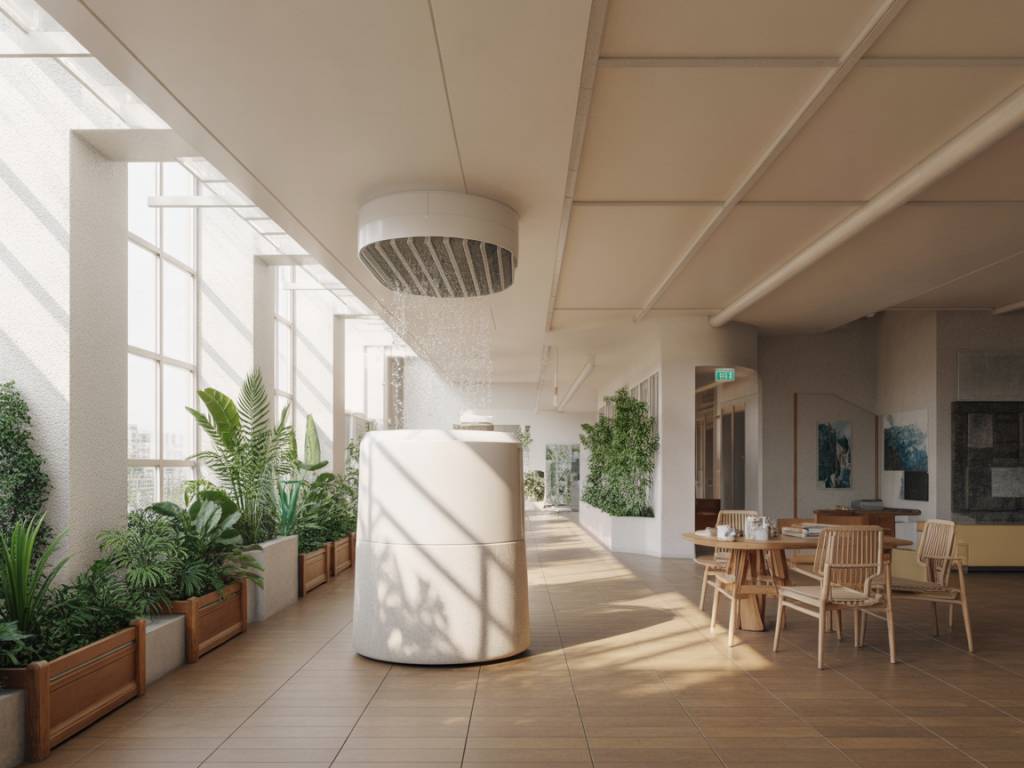
Why Hybrid Air and Water Purification Systems Matter in Modern Workspaces
Modern workspaces are changing fast. Open-plan offices, flexible coworking spaces and hybrid work models are now the norm. At the same time, employees are becoming more demanding about the quality of their working environment. Clean air and safe drinking water are no longer “nice to have” benefits. They are core components of workplace health, comfort and productivity.
In this context, hybrid air and water purification systems are emerging as strategic investments for companies. By combining advanced air purification with high-performance water filtration, these integrated solutions can transform offices into healthier, more attractive and more sustainable places to work.
From Basic Utilities to Strategic Workplace Assets
Traditionally, office air and water were treated as separate topics. HVAC systems managed ventilation and temperature, while bottled water or simple coolers provided drinking water. That model is increasingly outdated.
Several trends are pushing organisations to rethink this fragmented approach:
- Heightened awareness of indoor air quality (IAQ): Post-pandemic, employees ask about filters, ventilation rates and virus removal.
- Growing focus on hydration and wellness: Companies link healthy drinking habits to cognitive performance and employee wellbeing.
- Sustainability commitments: Reducing single-use plastic bottles and energy-heavy systems is now a common ESG target.
- Employer branding and talent attraction: Premium facilities signal that a business takes health and comfort seriously.
In this environment, hybrid purification systems turn what used to be background infrastructure into a visible, measurable element of a company’s value proposition.
What Are Hybrid Air and Water Purification Systems?
A hybrid system combines indoor air purification and drinking water purification in a coordinated or integrated way. Rather than treating air and water as separate projects, it brings them together as part of a single environmental strategy for the workspace.
Depending on the supplier and the building, this can mean:
- Centralised units that manage both purified air and filtered water points across multiple floors.
- Modular devices for meeting rooms, focus zones and break areas, connected to a common monitoring platform.
- Smart, IoT-enabled systems collecting real-time data on air quality, filter performance and water usage.
The shared characteristic is a focus on holistic environmental quality. Businesses no longer only ask “Is the air cool enough?” or “Is the tap water safe?”. Instead, they ask how the entire micro-environment supports health, concentration and long-term resilience.
Core Technologies Behind Air Purification in Offices
Office-grade air purification systems typically combine several technologies to remove particles, gases and microorganisms from indoor air.
- HEPA filtration: High Efficiency Particulate Air filters capture fine particles such as dust, pollen, mould spores and many airborne droplets. True HEPA filters can remove at least 99.97% of particles down to 0.3 microns.
- Activated carbon filters: These filters adsorb volatile organic compounds (VOCs), odours from cleaning products, office furniture off-gassing and some gases from outdoor pollution.
- UV-C disinfection: Ultraviolet light can inactivate certain bacteria, viruses and moulds as air passes through an enclosed chamber. In professional systems, safety measures prevent exposure to occupants.
- Electrostatic or ionisation technologies: Some units charge particles so they cluster and are more easily trapped, or are attracted to collection plates. Careful design is needed to avoid unwanted by-products such as ozone.
In hybrid solutions, these air purification components are often connected to sensors that track CO2 levels, particulate matter (PM2.5 and PM10), humidity and temperature. This data allows facility managers to adjust ventilation, prove compliance and demonstrate improvements in office air quality.
How Advanced Water Purification Supports Workplace Health
On the water side, office water purification systems go far beyond basic carbon filters. Modern solutions aim to deliver consistent quality, great taste and reliable safety for large groups of employees.
- Multi-stage filtration: Sediment filters remove particles, followed by activated carbon to reduce chlorine, some pesticides and unpleasant tastes or odours.
- Reverse osmosis (RO): In some configurations, RO membranes help reduce dissolved solids, heavy metals and certain contaminants, especially where incoming water quality is uncertain.
- UV purification: UV lamps can help inactivate microorganisms in drinking water without adding chemicals.
- Remineralisation and taste optimisation: After strong filtration, some systems add back beneficial minerals such as calcium or magnesium to improve flavour and mouthfeel.
Combined with bottle-free dispensers, integrated water purification dramatically reduces the need for plastic bottles and heavy jug deliveries. This makes it easier to provide chilled, ambient or sparkling water across the workspace while cutting waste and logistics costs.
Key Benefits of Hybrid Air and Water Purification in Modern Workspaces
When companies deploy air and water purification in a coordinated way, the benefits go beyond the sum of their parts. The impact touches health, productivity, sustainability and even corporate culture.
Improved Employee Health and Wellbeing
Employees spend a large part of their day indoors. If indoor air quality is poor or water is unappealing, subtle but chronic issues can arise. Hybrid systems help address several risk factors:
- Reduced exposure to pollutants: By filtering particulates and VOCs from office air, companies can help lower irritation, headaches and respiratory symptoms linked to pollution or allergens.
- Enhanced hydration: Easy access to fresh, filtered water encourages employees to drink more regularly, which supports concentration, mood and general health.
- Better perceived comfort: Clean-smelling air and great-tasting water positively influence how workers feel in the space, even before clinical health effects are considered.
For employers, these improvements can contribute to fewer sick days, better engagement and a stronger wellbeing narrative in HR communications.
Higher Productivity and Cognitive Performance
Research increasingly links air quality and hydration with cognitive performance. Elevated CO2 levels can reduce decision-making ability, while fine particles and VOCs are associated with fatigue and reduced focus. Dehydration, even at modest levels, can impair memory and reaction time.
By integrating smart air purification with intuitive, well-placed water dispensers, businesses create conditions that support sustained concentration. Teams are more likely to remain alert in long meetings, client presentations or intensive project work. For knowledge-intensive sectors, this can translate into real economic value.
Sustainability and Reduced Environmental Impact
Hybrid purification systems also offer clear environmental benefits, especially when replacing bottled water services and inefficient, outdated HVAC add-ons.
- Less plastic waste: Moving from single-use bottles to filtered mains-fed dispensers drastically cuts plastic consumption and associated recycling or disposal.
- Optimised energy use: Modern purification equipment is often designed to be energy efficient, and smart control systems can adjust operation based on occupancy and demand.
- Support for ESG and green building certifications: Demonstrable improvements in indoor environmental quality support frameworks such as WELL, LEED or BREEAM.
For companies reporting on environmental, social and governance performance, investing in hybrid air and water solutions can be an effective, visible step toward long-term sustainability goals.
Employer Brand, Client Perception and Workspace Experience
The physical environment sends a powerful signal about a company’s priorities. Visible air purifiers in meeting rooms, elegantly designed water dispensers in collaboration areas and transparent data about air and water quality can all reinforce the message that health and safety matter.
In competitive sectors, this can help:
- Attract and retain talent who value wellbeing and responsible employers.
- Impress clients and partners visiting the site with a modern, environmentally conscious workspace.
- Differentiate flexible offices and coworking spaces in a crowded market.
For landlords, integrating hybrid purification into building specifications adds value for tenants. For tenants, showcasing these systems in office tours and employer branding materials supports recruitment and reputation.
What to Consider When Choosing Hybrid Air and Water Purification Systems
For businesses exploring these technologies, careful specification is essential. Not every solution suits every building or workforce.
- Risk assessment and baseline data: Before investing, measure current indoor air quality and analyse incoming water reports. Understanding actual risks helps avoid over- or under-specification.
- Scalability and coverage: Evaluate how many square metres, meeting rooms and employees need service. Hybrid solutions should adapt as headcount and usage patterns change.
- Integration with existing HVAC and plumbing: Coordinate with building managers to ensure compatibility, especially in multi-tenant properties or older buildings.
- Filter replacement and maintenance regimes: The best technology fails if filters are not changed on time. Clarify service schedules, monitoring options and total cost of ownership.
- Data and reporting capabilities: For organisations focused on ESG, choose systems that provide verifiable metrics on air quality improvements, energy use and water savings.
- User experience: Test how easy systems are to use. Touchless water dispensers, quiet air purifiers and clear status indicators all encourage adoption.
Emerging Trends in Hybrid Air and Water Purification
The market for hybrid office purification systems is evolving rapidly. Several trends are worth watching for facilities managers, HR leaders and sustainability officers.
- IoT and cloud-connected monitoring: More systems now provide live dashboards showing particle counts, CO2, filter status and water quality indicators. This enables predictive maintenance and transparent communication to employees.
- Integration with building management systems (BMS): Air purification units can adjust output based on occupancy sensors or outdoor pollution data, balancing performance with energy efficiency.
- Design-led dispensers and purifiers: Manufacturers increasingly focus on aesthetics, so devices complement premium office interiors rather than looking purely industrial.
- Advanced filtration materials: New adsorbents and membrane technologies promise higher efficiency, longer life and reduced waste for both air and water filters.
As these innovations mature, hybrid solutions will become more accessible, more efficient and easier to integrate into both new builds and refurbishments.
Transforming Workspaces Through Better Air and Water Quality
For organisations rethinking their offices for a post-pandemic, hybrid-working world, air and water purification are no longer peripheral technical details. They shape how a space feels, how people perform and how a company is perceived.
By adopting hybrid air and water purification systems, businesses can move beyond minimum compliance and create truly modern workspaces: cleaner, healthier, more sustainable and more attractive to both employees and clients. In an era when the quality of the working environment is under unprecedented scrutiny, such systems are becoming a cornerstone of forward-looking workplace strategy.